Masking Paper for Acrylic Sheets: A Rising Billion‑Dollar Sector Driven by Innovation and Sustainability
As demand for acrylic (PMMA) sheets continues to surge across construction, automotive, consumer electronics, and visual communication, the humble protective paper – or surface protection film – has evolved from a simple accessory into a critical enabler of product quality and yield. With the global acrylic sheet market projected to reach $6.61 billion by 2032 (up from $4.65 billion in 2025),adhesive Kraft Paper For Acrylic Sheet,Masking Paper For Plastic, Self Adhesive Paper For Acrylic Sheet,the masking paper segment is quietly reshaping itself into a multi‑billion‑dollar niche, undergoing profound technological and environmental transformations in 2026.
Market Growth: Steady Expansion
According to QYResearch, the global surface protection film market for acrylic sheets was valued at approximately $170 million in 2024 and is expected to hit $224 million by 2031, reflecting a compound annual growth rate (CAGR) of 4.0%. Separate industry estimates place the broader PMMA processing and protection film market at ¥1.92 billion RMB in 2024, with a projected increase to ¥2.74 billion RMB by 2031. This upward trajectory is closely tied to the robust growth of the acrylic sheet market itself, Adhesive Paper For Furniture Board,masking paper as protective solutions remain indispensable throughout production, transportation, storage, and processing.
Technological Advancements: From “Adhesion” to “Clean Peel”
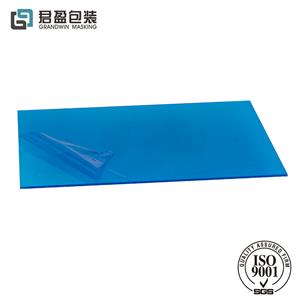
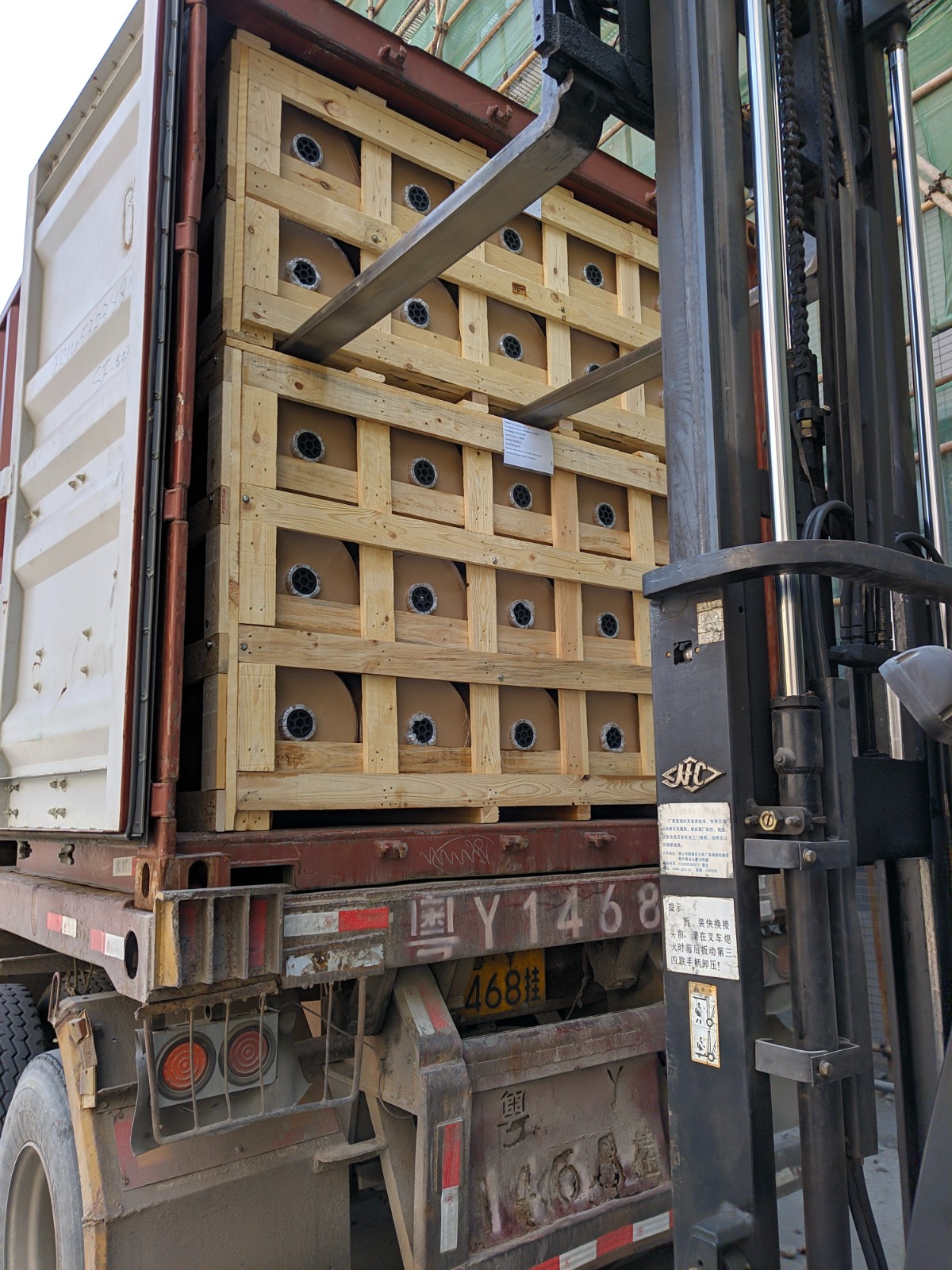
The primary function of protective paper/film is to safeguard the glossy surface of acrylic sheets against scratches, dust, and contamination during handling. Traditional protective paper relied on imported kraft pulp to ensure tensile strength and tear resistance, but high raw material costs prompted the industry to seek improvements.
Recent innovations have delivered notable breakthroughs:
Reduced thickness and weight – making overall panels lighter.
Enhanced scratch and stain resistance.
Optimised adhesion – modern products are engineered to maintain a firm grip during processing while enabling a clean, residue‑free peel after use. This “stick well, peel clean” characteristic is crucial for maintaining the surface integrity and final product acceptance rate.
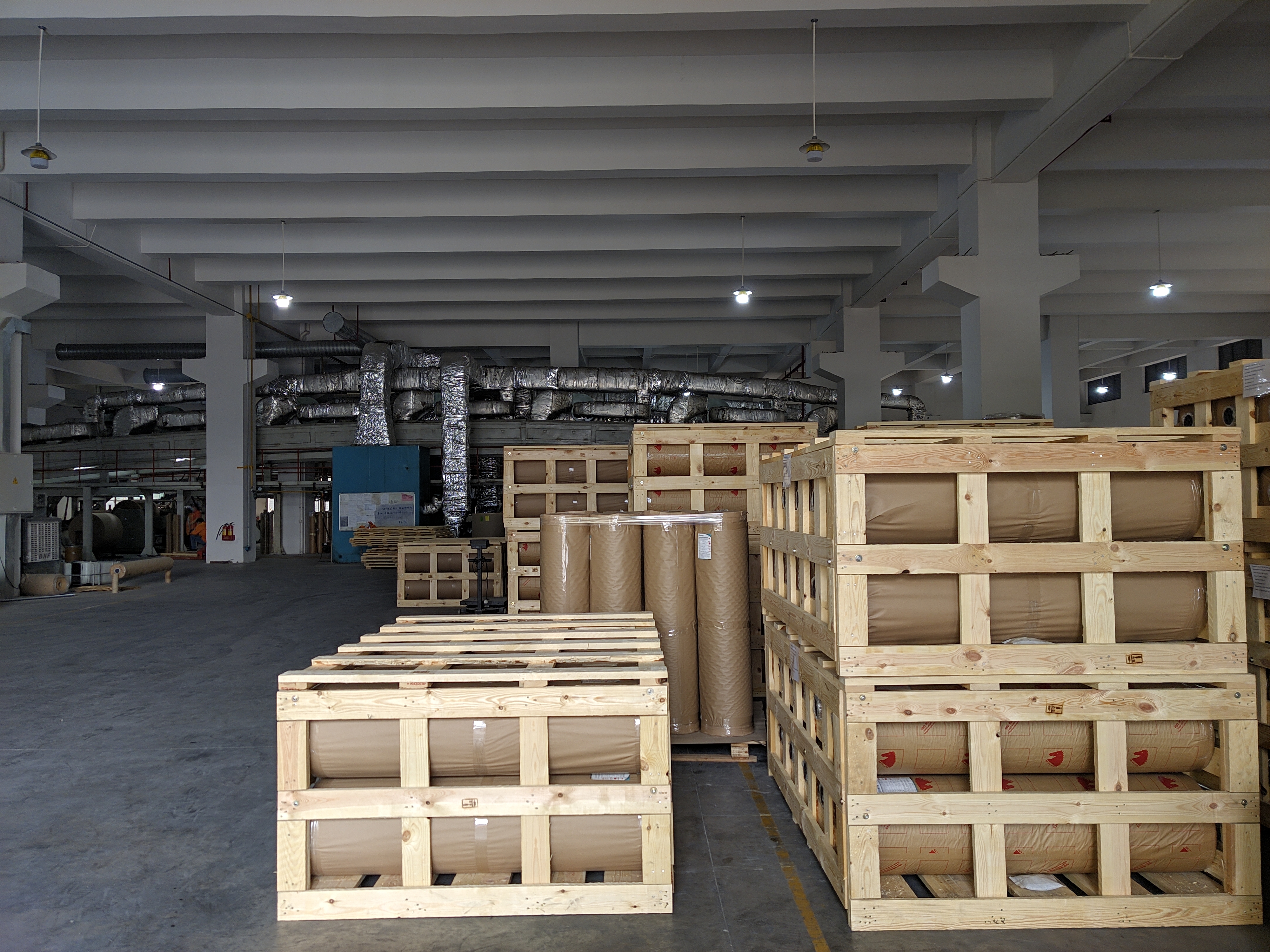
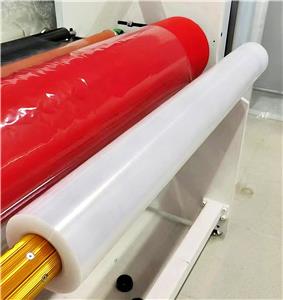
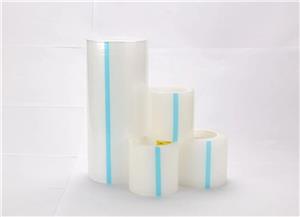
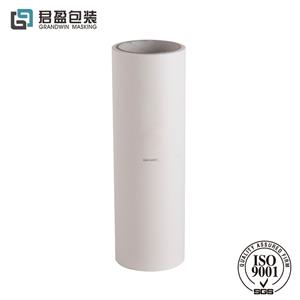
In the protective film segment, PET‑based films coated with acrylic adhesive have become the mainstream choice. The adhesive’s tack can be precisely tailored—from 1g to 3000g—to suit various applications, from temporary peel‑off to long‑term bonding. PET film thickness can range from 0.025mm to 0.3mm, accommodating different protection needs. Whether for cast or extruded acrylic sheets, specialised films now provide end‑to‑end surface protection across printing, sawing, drilling, laser cutting, polishing, bending, and thermoforming processes.masking paper
Green Transition: Biodegradable Solutions Take Centre Stage
Driven by global carbon‑neutrality goals and tightening environmental regulations, the protective paper industry is accelerating its shift towards sustainability. Conventional plastic films, which are not biodegradable, are increasingly being replaced by plant‑based, fully biodegradable fibre materials. These new products not only decompose naturally but also significantly reduce plastic waste during the usage phase.
Industry analysts highlight three major trends shaping the acrylic protection film market in 2026:
Function integration – moving from single‑function protection to multi‑feature films combining anti‑blue‑light, anti‑peep, anti‑scratch, and antibacterial properties.
Lightweighting – ultra‑thin films (below 0.05mm) gaining ground in precision electronics and optical applications.
Eco‑sustainability – accelerated R&D of bio‑based PET substrates and biodegradable adhesives.
Supply Chain Collaboration: Localisation and Brand Building
For years, high‑end protective paper for acrylic sheets was dominated by imported products. However, domestic Chinese manufacturers have ramped up R&D investments, achieving substantial import substitution. Companies such asG now offer CPP protective films specifically designed for smooth panels, widely used on PMMA, PC, PET sheets, and hollow boards. In the PET protective film sector, players like Grandwin have built integrated capabilities from R&D and customisation to production and sales, with a daily output exceeding 200,000 square metres. Their clientele includes global giants like Midea, Samsung, Xiaomi, Huawei, Apple, BOE, and General Motors. The rise of these local suppliers not only lowers procurement costs for downstream users but also enhances supply chain responsiveness and stability.
Outlook: The “Invisible Shield” with a Billion‑Dollar Future
As downstream industries—construction, automotive, electronics, healthcare, and more—continue to expand their use of acrylic sheets, the strategic importance of protective paper as the “invisible shield” of quality is gaining widespread recognition. Starting from a thin layer of protection, Chinese companies are carving out an increasingly significant role in this global niche through technological innovation, green transformation, and capacity upgrades. With both market demand and environmental imperatives driving the sector, the protective paper industry for acrylic sheets is poised for a bright and expansive future.
If you need a shorter version for a press release, a social media post, or a customer newsletter, just let me know and I can tailor it further.